Key Takeaways
- Social listening tracks broader industry conversation, not just direct mentions of your brand.
- Recurring frustrations mentioned publicly often reveal genuine product opportunities even when not directed at you.
- Monitoring competitor conversations reveals their genuine strengths and weaknesses from a real customer perspective.
- Early detection of a growing complaint pattern allows a proactive response before it escalates.
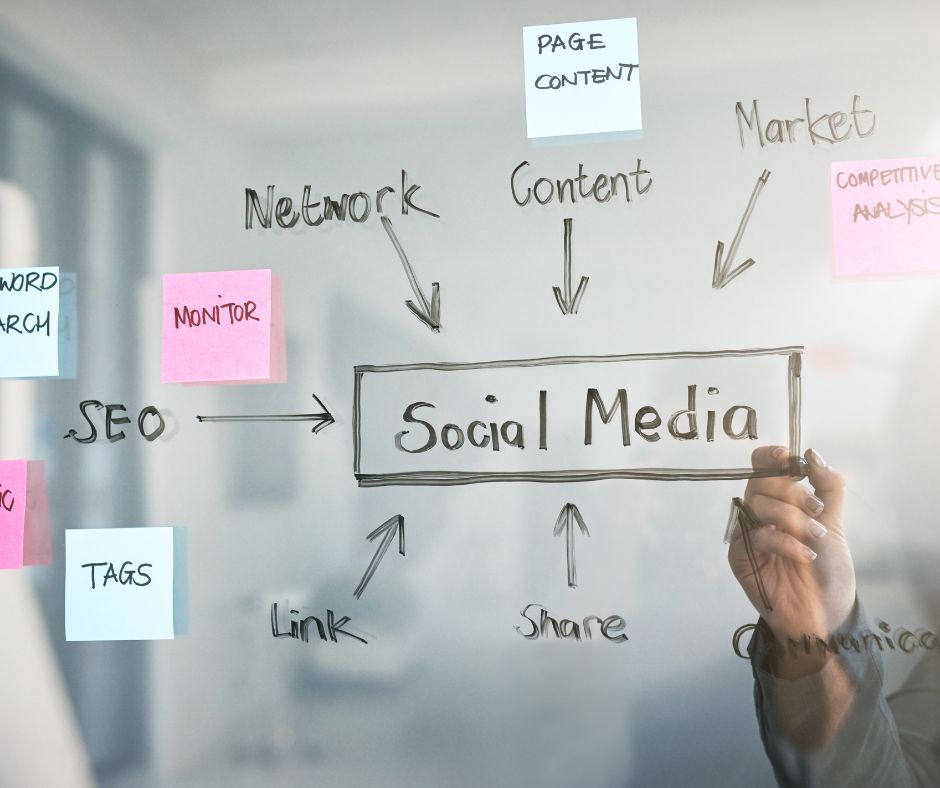
Social listening tracks broader industry and brand-related conversation across social platforms, including discussions that don’t directly tag your brand, revealing what customers are genuinely saying, thinking, and feeling well beyond the direct comments and mentions most brands already monitor.
What Does Social Listening Actually Involve Beyond Basic Monitoring?
Beyond simply monitoring direct mentions, social listening tracks broader conversations, sentiment, and trends across an industry, including conversations that don’t directly tag your brand, giving a much fuller picture of genuine customer sentiment.
How Does Social Listening Reveal Unaddressed Pain Points?
Recurring frustrations mentioned in public conversation, even when not directed at your brand specifically, often reveal genuine product or service opportunities worth pursuing that direct feedback channels might never surface.
Why Track Brand Sentiment Over Time?
Understanding whether overall sentiment toward your brand is trending positive or negative provides an early warning system beyond individual customer complaints, catching broader shifts before they become a larger visible problem.
How Does Monitoring Competitors Through Listening Help?
Observing what customers say about competitors reveals their genuine strengths and weaknesses from a real customer perspective, not just marketing claims, offering competitive insight unavailable through direct competitive analysis alone.
Can Social Listening Reveal Content and Product Ideas?
Yes, questions and discussions your audience has organically often reveal genuine content topics or product opportunities you hadn’t previously considered, grounded in real, unprompted customer language.
How Can Social Listening Identify Potential Brand Advocates?
Consistently positive, engaged mentions can help identify customers worth nurturing as potential ambassadors or case study subjects, surfacing genuine advocates you might not have otherwise noticed.
How Does Social Listening Help Catch Issues Before They Escalate?
Early detection of a small but growing complaint pattern allows a proactive response before it develops into a larger reputational issue, giving you a meaningful head start compared to reacting only once a crisis is already visible.
How Should a Business Choose Social Listening Tools?
Match the sophistication of your listening tools to your actual business needs — a small business rarely needs enterprise-level monitoring capabilities, and simpler tools often suffice for genuinely useful insight.
Frequently Asked Questions
Is social listening only useful for large enterprises?
No, even small businesses can benefit from basic listening tools to monitor brand mentions and relevant industry conversation.
How often should social listening data be reviewed?
Regular, ongoing review, ideally weekly, catches emerging patterns early rather than only reviewing sporadically or reactively.
Can social listening replace direct customer feedback surveys?
No, it complements rather than replaces direct feedback, since listening captures unprompted, organic sentiment that surveys don’t always reach.
Should social listening data inform product development decisions?
Yes, genuine recurring themes in social conversation can provide valuable, real-world input alongside more formal product research processes.


